
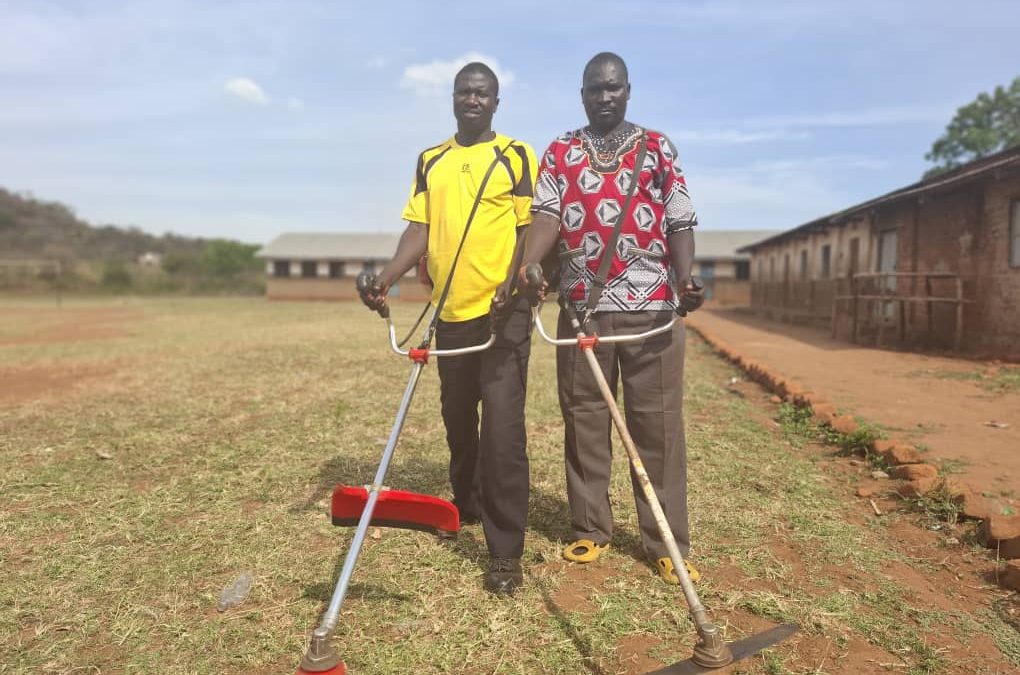
In development work, there is a natural temptation to look for advanced technologies and complex systems. Bigger investments often feel like better solutions. But in many rural communities, the most lasting impact comes from approaches that are simple, practical, and rooted in local realities.
Over time, experience has shown that solutions work best when they match the environment, the skills available, and the daily lives of the people who use them.
Simplicity increases adoption and sustainability
A technology is only effective if people can use it confidently. When solutions rely on expensive materials, specialized expertise, or external maintenance, they often become difficult to sustain once project support ends.
Simple, appropriate technologies are easier to understand, easier to repair, and easier to pass on. Communities can maintain them using local materials and shared knowledge, reducing dependence on external support and increasing long-term reliability.
Local knowledge strengthens outcomes
Rural communities understand their environment better than anyone else. When development approaches respect and build on this knowledge, solutions become more relevant and effective.
By working alongside communities and combining local experience with practical technical guidance, interventions such as road maintenance, water protection, farming improvements, and livelihood support are more likely to succeed. People are more invested in solutions they helped shape.
Practical skills create confidence and ownership
Training communities in hands-on skills does more than improve infrastructure. It builds confidence.
When people know how to maintain a road, manage a water source, run a small business, or apply better farming practices, they are no longer dependent on outside help. Skills create independence, and independence strengthens resilience.
This shift from dependence to ownership is one of the most important outcomes of community-based development.
Appropriate technology supports dignity and inclusion
Simple solutions are often more inclusive. They create opportunities for youth, women, and vulnerable groups to participate meaningfully in development activities.
Labour-based methods, small-scale technologies, and community-managed systems allow more people to contribute, earn income, and take leadership roles. Development becomes something people do together, not something done for them.
Lasting change comes from what communities can carry forward
Projects end. Communities remain.
When solutions are practical, affordable, and locally managed, they continue to deliver benefits long after external support has ended. Infrastructure is maintained. Knowledge is shared. Livelihoods grow. Confidence builds.
At CORE, the goal is not complexity, but continuity. Because the most powerful solutions are those communities can carry forward on their own.