APPROPRIATE TECHNOLOGY
Appropriate Technology for Community-Led Development
At CORE, we apply practical, appropriate technologies that enable rural communities to solve everyday challenges using locally available skills, materials, and collective effort. From maintaining access roads and protecting water sources to improving farming practices, health, and livelihoods, our approaches are designed to be affordable, durable, and community-owned.
By placing people at the center of every solution, we ensure that infrastructure and services are not only built, but sustained, strengthened, and passed on for long-term development.
Community Access Roads Using Do-nou Technology
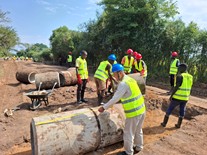
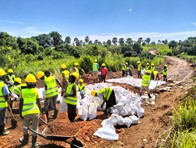
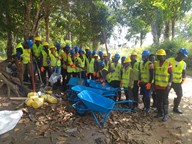
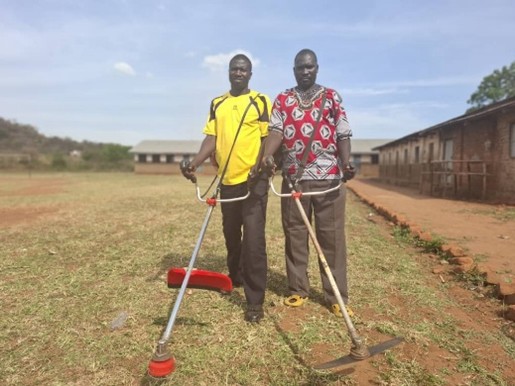
CORE supports rural community access road maintenance through the use of Do-nou technology, an appropriate and labour-based approach that relies on locally available materials and community participation. Through this method, youth, vulnerable women, and farmers’ groups are trained and equipped with practical, hands-on skills to maintain their own rural access roads.
The Do-nou approach empowers communities to take ownership of road maintenance, improves year-round accessibility, and reduces reliance on heavy machinery. By strengthening local capacity, this technology promotes sustainable road development while creating employment opportunities and fostering collective responsibility for shared infrastructure.

Environmental Conservation & Sustainable Farming Methods
CORE promotes environmental conservation and sustainable farming practices that protect natural resources while strengthening rural livelihoods. Youth, women, and farmers are equipped with practical skills in the establishment and management of indigenous tree nurseries, creating both ecological benefits and income-generating opportunities.
Tree planting, afforestation, and agroforestry initiatives help restore degraded landscapes, increase forest cover, and enhance community resilience to climate change. Communities are also trained in climate-smart farming practices such as contour terracing and soil management, which improve soil fertility, prevent erosion, enhance water retention, and increase agricultural productivity and food security.
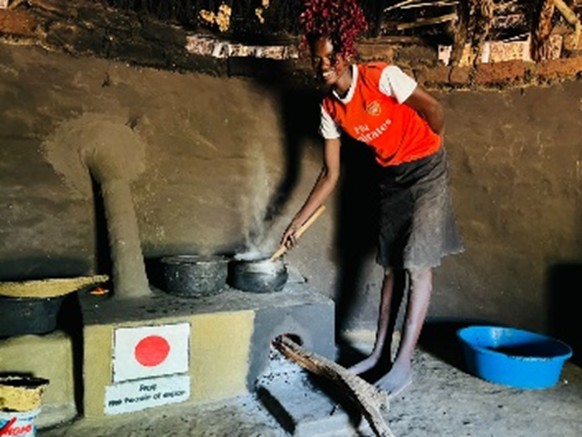
In addition, CORE supports the adoption of energy-saving cooking technologies, including Rocket Lorena stoves. These reduce household firewood consumption, lower carbon emissions, and promote healthier living conditions, particularly for women and children.
Key approaches include:
-
Nursery bed establishment and seedling production
-
Tree planting for landscape restoration
-
Construction and provision of energy-saving cookstoves
-
Promotion of sustainable and climate-smart farming methods


Safe and Clean Water for Domestic Use & Production
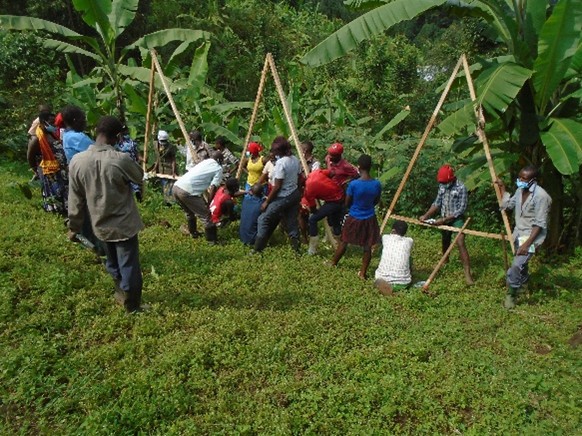
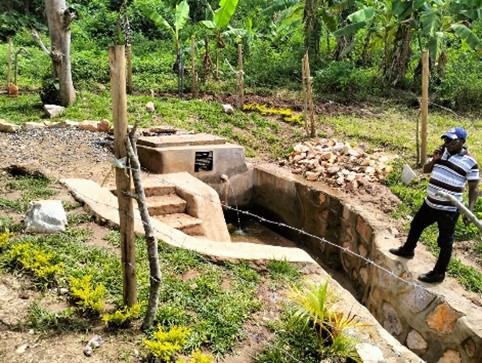
CORE improves access to safe and reliable water through community-appropriate water supply technologies designed for both domestic use and production. Open water sources are converted into protected springs through the construction of filtration and controlled dispensing systems, ensuring safe and clean water for communities.
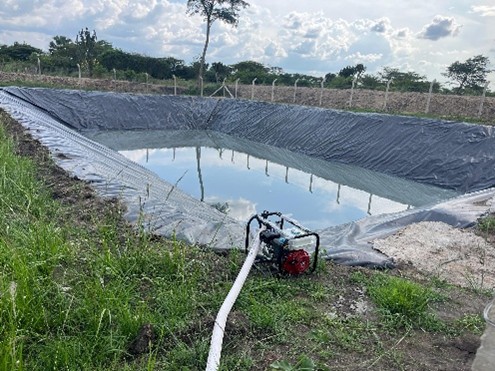
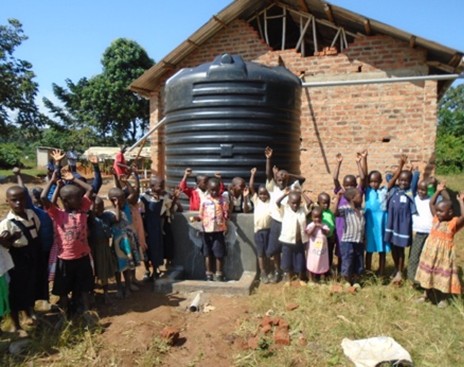
In fragile and island communities, CORE supports rainwater harvesting through the provision of water collection tanks. In dry areas, water detention ponds are constructed to support farming and livestock production, reducing vulnerability to drought.
To ensure long-term functionality and sustainability, CORE facilitates the formation of Water User Committees, enabling communities to manage, maintain, and protect water facilities over time.
Key approaches include:
-
Spring protection systems
-
Rainwater harvesting facilities
-
Water detention ponds for farming and livestock
-
Establishment of Water User Committees
Health & Hygiene Improvement
CORE implements practical health and hygiene interventions that address everyday challenges affecting vulnerable populations. To support girls’ education and reduce school absenteeism, pupils in selected primary schools are trained to make reusable sanitary towels, enabling girls to remain in school with dignity.
Communities are also sensitized on hygiene and sanitation practices, supported by the provision of hand-washing stations and waste management kits. These interventions improve hygiene standards, reduce preventable diseases, and promote healthier living environments at household and community levels.



Livelihood Support & Income Generation
CORE strengthens household economic resilience by supporting beneficiaries to engage in Income Generating Activities (IGAs). Start-up capital is provided in the form of equipment and machines for small businesses such as hair salons, retail shops, and maize mills, enabling families to diversify income sources and improve livelihoods.
Beneficiaries also receive financial literacy training, equipping them with essential skills in saving, budgeting, and financial management. To promote sustainability and collective growth, communities are guided to organize into Village Savings and Loans Associations (VSLAs), Small and Medium Enterprises (SMEs), Community-Based Organizations (CBOs), or Savings and Credit Cooperative Societies (SACCOs), depending on their needs.
These approaches ensure that income-generating support goes beyond equipment provision to build long-term economic capacity and community self-reliance.

Our Funders
Our work is made possible by the visionary individuals and organizations committed to creating lasting change.